Brighter futures for Jesmond girls as sporting opportunities grow
On any given night in or around Jesmond, floodlights turn on, trainers hit the pitch and teams of girls spread across a variety of courts get ready for training. The sounds are unmistakable: from the bounce of netballs to the sweep of hockey sticks and eager shouts of team-mates. But these sessions offer far more than exercise. For many girls, they’re a rare chance to build confidence, community, and skills that will follow them into adulthood.

Across the UK, girls who regularly attend after-school sports clubs are 50% more likely to secure higher-paid jobs, according to research reported recently by The Guardian. And yet, this national picture comes with a disturbing caveat: girls aged 11 to 18 are reckoned to have collectively missed out on 280 million hours of sport due to high costs, limited facilities, and a lack of dedicated girls’ clubs. Nearly one-third of community pitches are still prioritised for boys. Little wonder, then, that many girls begin dropping out of sport as early as age 11.
But in Jesmond, a shift has been taking place. While inequality hasn’t disappeared, the gap between girls’ and boys’ sporting opportunities has been narrowing. Over the last three decades, community programmes and local schools have expanded access to girls’ sport, giving young players space to train, compete and grow.
One major contributor is Newcastle High School for Girls, which provides high-quality facilities for sports ranging from football to cricket to netball, facilities that girls often lack in other parts of the United Kingdom.
Just down the road, Jesmond Netball Club has become one of the area’s biggest success stories. The club, which fields five girls-only competitive teams, has seen remarkable progress in recent seasons. After topping their respective leagues last year, several of the teams have stepped into higher divisions.
At nearby university pitches, hockey players from the Newcastle University Medics Hockey Club share similar stories of growth and belonging.
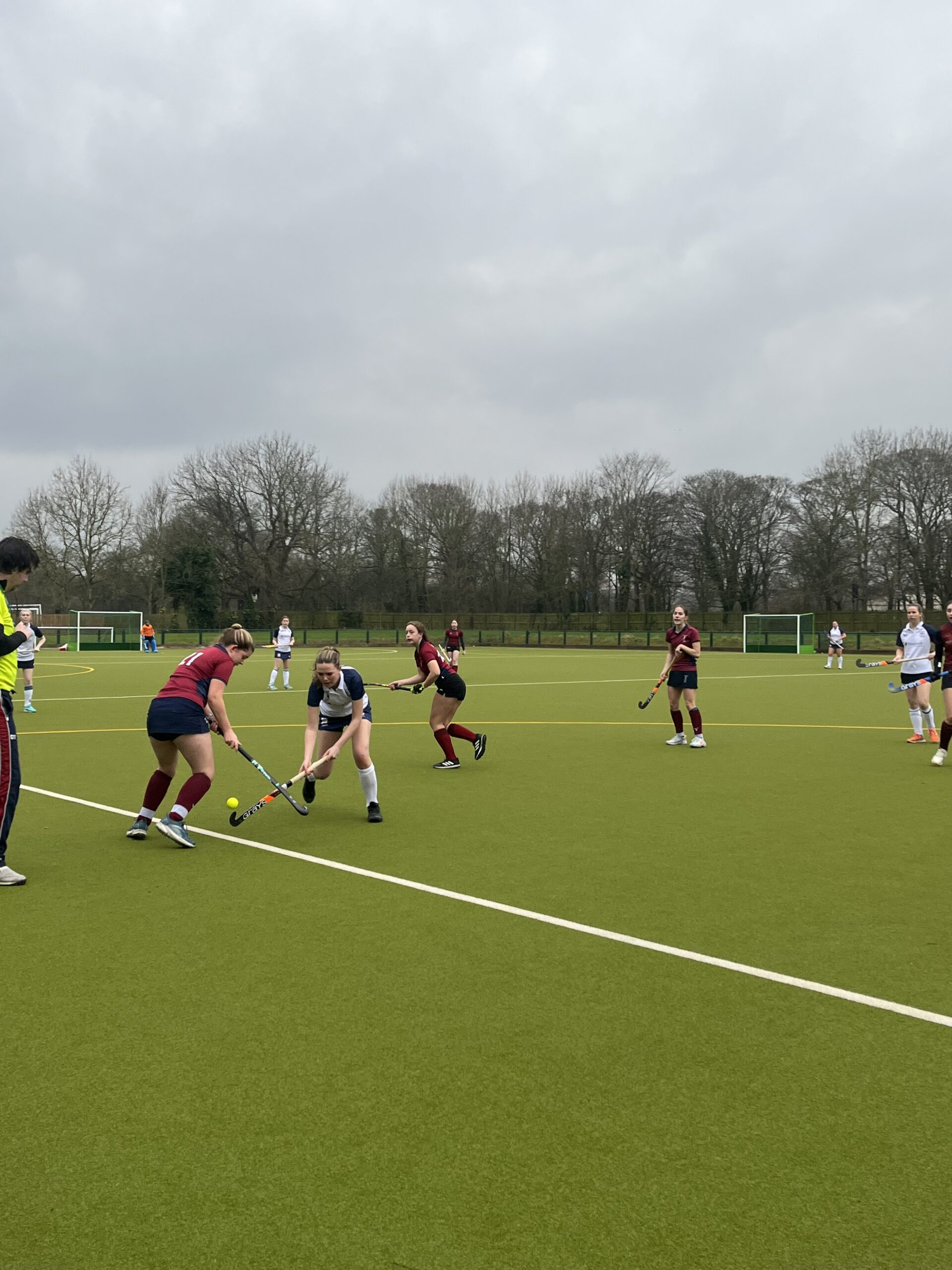
“We’re lucky to have so many girls who want to play hockey,” says Anastasia Pool, who plays for the 6s team. “Jesmond has so many pitches available. Right now, we even have more women’s teams than men’s, which is amazing.”
Teammate Tallulah Redman says sport has shaped her life beyond the hockey pitch. “I’ve played sports since I was little, and it’s helped me grow and stand up for myself,” she says. “It even helped me get a job this term at a hospital. Without the confidence I gained from sport, I honestly don’t think I would have gotten it.”
Their words support the research: team sports help build resilience, communication skills and leadership and these qualities open doors far outside of sport itself.
Jesmond Parish Hockey Club is another supporter of girls’ sport, fielding multiple male and female teams. Its women’s first team, formed in 2008, now competes in the Yorkshire and North East Women’s Division 3.
And while football reigns in Newcastle, with St James’ Park just a short walk away, girls are creating their own space in that sport too. New teams and community clubs are emerging each year, many with a renewed focus on accessibility for girls.

There is still work to be done. Across the UK, nearly 60% of girls aged 14 to 15 stop playing sport entirely. The reasons range from low confidence to lack of encouragement or facilities. For many, it’s not ability that limits them, it’s the opportunity.